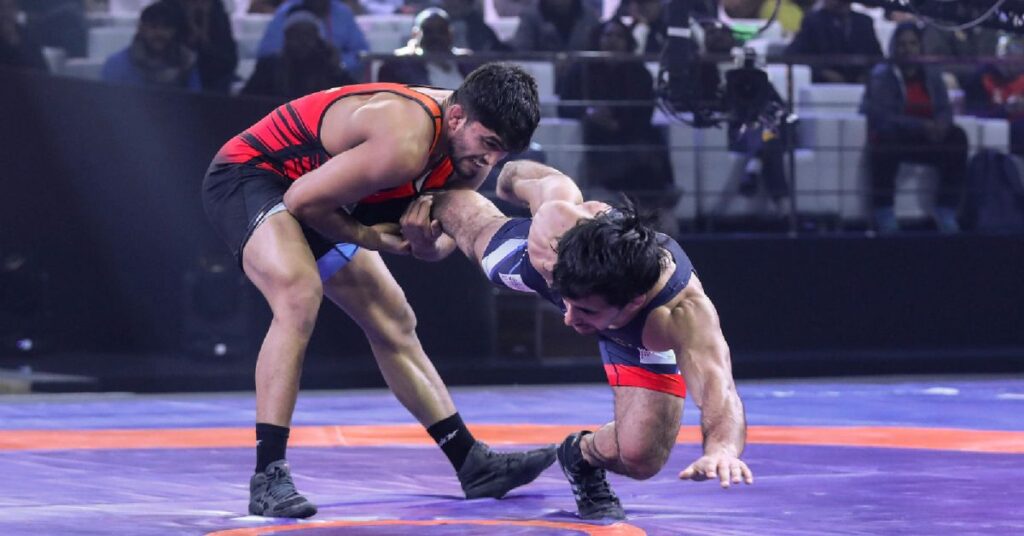

The Pro Wrestling League (PWL) has never shied away from innovation, but its latest tweak to the competition format has injected a fresh wave of excitement into an already intense sporting spectacle. By introducing double points in the final minute of each bout, the league has successfully added drama, urgency, and unpredictability to the traditional wrestling format, transforming how matches are fought, coached, and consumed by fans.
Wrestling, by nature, is a sport of fine margins. A single takedown or exposure can decide the outcome of a bout. The PWL’s decision to double the value of points scored in the final minute has not only raised the stakes but also forced wrestlers to rethink strategy, conditioning, and risk management. The result is a competition that feels faster, bolder, and more viewer-friendly, without compromising the sport’s core technical integrity.
This blog offers a deep, SEO-optimised analysis of the Pro Wrestling League’s double-points innovation, exploring why it was introduced, how it changes match dynamics, the tactical adjustments wrestlers must make, reactions from athletes and coaches, and what it means for the future of professional wrestling leagues in India and beyond.
Understanding the Traditional Wrestling Format
To appreciate the impact of the new rule, it is important to understand how wrestling bouts traditionally unfold.
In standard freestyle wrestling:
- Points are awarded for takedowns, exposures, reversals, and push-outs
- Matches are often controlled through early scoring and defensive positioning
- Wrestlers with a lead tend to manage the clock rather than take risks
- Late-stage action can become conservative, especially in close bouts
While technically sound, this structure sometimes led to predictable endings, with athletes protecting narrow leads instead of pushing for decisive moves.
The Double-Points Rule: What Has Changed?
Under the new Pro Wrestling League format, any points scored in the final minute of the bout are doubled.
This means:
- A standard takedown worth two points becomes four
- Exposure points carry greater impact
- A last-minute push-out can dramatically alter the scoreline
The rule does not change how points are awarded technically, but it significantly increases their value during the closing phase of the match.
Why PWL Introduced the Double-Points Rule
The Pro Wrestling League has consistently aimed to:
- Increase fan engagement
- Make matches more dynamic
- Encourage attacking wrestling
- Reduce overly defensive play
The double-points rule directly addresses these objectives by ensuring that no lead is truly safe until the final whistle.
From a league perspective, this change:
- Keeps fans invested until the last second
- Creates highlight-worthy finishes
- Differentiates PWL from traditional wrestling tournaments
- Makes broadcasts more dramatic and marketable
How the Rule Changes Match Strategy
Perhaps the biggest impact of the double-points rule is on match strategy.
Early Match Approach
Wrestlers can no longer rely solely on building a small early lead and defending it. While early points still matter, they no longer guarantee control of the bout.
As a result:
- Wrestlers are more willing to attack throughout the match
- Coaches emphasise sustained aggression rather than early consolidation
- Fitness and stamina become even more critical
Final Minute Becomes the Deciding Phase
The final minute is now the most crucial phase of the bout.
Key strategic shifts include:
- Wrestlers trailing by a small margin staying aggressive until the end
- Leading wrestlers being forced to keep attacking rather than stalling
- Increased attempts at high-risk, high-reward moves
This has turned the closing seconds into a genuine battleground, often deciding matches in dramatic fashion.
Tactical Adjustments by Wrestlers
The new rule demands a more complete skill set from athletes.
Wrestlers must now:
- Maintain energy reserves for a strong finish
- Balance risk and reward in the final minute
- Stay mentally composed under heightened pressure
- Be prepared to defend aggressively against desperate attacks
Those who can execute under pressure are benefiting most from the new format.
Conditioning and Fitness: A Bigger Factor Than Ever
With double points available late in the bout, conditioning has become a decisive advantage.
Wrestlers who fade in the final minute are now severely punished, as even a single lapse can swing the entire match.
Training focus has shifted toward:
- High-intensity endurance
- Explosive power late in bouts
- Recovery between matches in a league format
The rule has effectively raised the physical standards required to succeed in the Pro Wrestling League.
Coaches’ Perspective: New Planning Required
From a coaching standpoint, the double-points rule has added complexity.
Coaches must now plan for:
- Situational wrestling based on scorelines
- Managing athlete energy across multiple bouts
- Deciding when to push for points and when to defend
- Preparing wrestlers mentally for high-pressure endings
The rule rewards smart preparation and adaptability, separating well-coached teams from the rest.
Fan Experience: More Drama, More Engagement
One of the most noticeable benefits of the rule change has been the enhanced fan experience.
Matches that once seemed settled now remain open until the very end. Fans are:
- Staying engaged throughout the bout
- Experiencing frequent momentum swings
- Witnessing comeback victories that feel genuinely earned
For television audiences, the final minute has become must-watch action, increasing the entertainment value of the league.
Broadcaster and Commercial Appeal
From a commercial standpoint, the innovation has clear advantages.
The double-points rule:
- Creates highlight-friendly moments
- Encourages dramatic storytelling
- Makes match narratives easier to follow for casual viewers
For a league aiming to grow wrestling’s popularity, these elements are crucial.
Wrestler Reactions: Challenge and Opportunity
Reactions from wrestlers have been largely positive, though mixed with caution.
Many athletes appreciate:
- The opportunity to fight back even when trailing
- The emphasis on attacking wrestling
- The reward for late-stage aggression
Others acknowledge:
- Increased pressure in closing moments
- Less margin for error
- Greater physical and mental demands
Overall, the rule has been embraced as a test of complete wrestling ability.
Does the Rule Compromise Traditional Wrestling Values?
One concern raised by purists is whether such innovations dilute traditional wrestling.
However:
- The scoring techniques remain unchanged
- Technical skill is still essential
- Tactical intelligence is now even more important
Rather than undermining tradition, the rule arguably enhances it by encouraging wrestlers to showcase their full repertoire until the end.
Impact on Team Strategy in PWL
Since the Pro Wrestling League follows a team-based format, the rule also affects overall team strategy.
Teams must consider:
- Matchups where late aggression is likely
- Selecting wrestlers with strong finishing ability
- Managing point differentials across bouts
A single final-minute swing can now influence not just individual matches, but overall team outcomes.
Unpredictability: A Key Ingredient for Success
One of the hallmarks of a successful league is unpredictability.
The double-points rule ensures that:
- Upsets are more possible
- Favorites cannot relax
- Underdogs always have a chance
This unpredictability keeps the competition alive and compelling throughout the season.
Comparison with Other Sports Innovations
Many modern sports have introduced rule changes to enhance excitement.
Examples include:
- Powerplays in cricket
- Extra-time golden goals in football
- Shot clocks in basketball and wrestling
The PWL’s double-points rule fits within this broader trend of balancing tradition with entertainment, without sacrificing competitive integrity.
Learning Curve for Athletes and Officials
As with any innovation, adaptation takes time.
Referees must:
- Be precise with timing
- Communicate clearly with wrestlers
- Ensure consistency in scoring
Athletes, meanwhile, are learning to:
- Adjust pacing
- Read scorelines accurately
- Make smarter decisions under pressure
As familiarity grows, the quality of bouts is expected to improve further.
Long-Term Impact on Indian Wrestling
The Pro Wrestling League has played a significant role in popularising wrestling in India.
Innovations like the double-points rule could:
- Attract younger audiences
- Encourage attacking styles at grassroots levels
- Influence future domestic competitions
By making wrestling more engaging without oversimplifying it, PWL strengthens the sport’s long-term prospects.
Potential Criticism and Challenges
No rule change is without criticism.
Potential concerns include:
- Overemphasis on the final minute
- Wrestlers neglecting early scoring
- Increased injury risk due to late aggression
However, these risks can be managed through proper officiating, coaching, and athlete conditioning.
What the Double-Points Rule Ultimately Achieves
At its core, the rule achieves three key outcomes:
- Keeps matches alive until the end
- Rewards fitness, courage, and composure
- Enhances the spectator experience
These are essential ingredients for a successful professional league.
Future of the Pro Wrestling League Format
If the double-points innovation continues to deliver excitement and competitive balance, it could become a permanent feature of the Pro Wrestling League.
It may also inspire:
- Further refinements in format
- Adoption by other leagues
- Increased experimentation within wrestling competitions
Innovation, after all, is key to growth.
Conclusion
The Pro Wrestling League’s decision to introduce double points in the final minute has successfully added a new layer of excitement to the traditional wrestling format. By transforming the closing moments into high-stakes battles, the league has encouraged attacking wrestling, rewarded superior conditioning, and kept fans engaged until the final whistle.
Rather than diminishing the sport’s technical depth, this innovation has amplified it, demanding greater skill, strategy, and mental strength from wrestlers. As the league evolves, such bold changes highlight PWL’s commitment to making wrestling not only competitive, but compelling.
In a sport where seconds matter, the final minute now truly defines the contest—and that added spice is exactly what modern wrestling audiences crave.