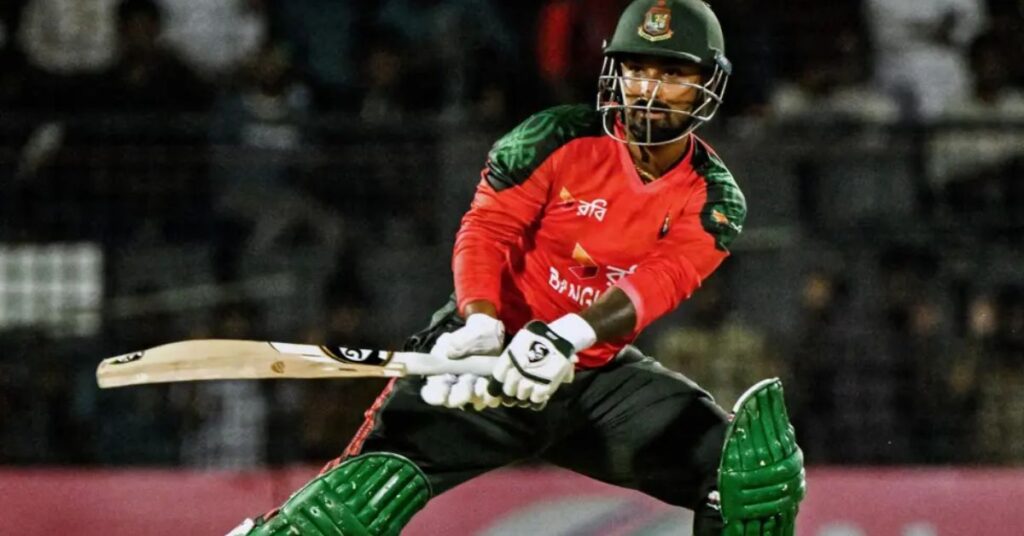

Bangladesh cricket has been thrown into turmoil after Bangladeshi cricketers collectively staged a boycott of the country’s domestic T20 league, sending shockwaves through the nation’s sporting ecosystem. What was expected to be a celebratory, commercially vibrant T20 season has instead turned into a flashpoint for player unrest, governance issues, and structural weaknesses within Bangladesh cricket.
The boycott is not a sudden or isolated protest. It is the result of long-standing grievances related to payments, scheduling, working conditions, and lack of transparency. As players took a united stand, the incident exposed deeper cracks in the system—raising urgent questions about the future of Bangladesh’s domestic T20 structure and the credibility of its cricket administration.
This blog examines why Bangladeshi cricketers boycotted the T20 league, what their demands are, how the cricket board has responded, and what the fallout could mean for Bangladesh cricket domestically and internationally.
What Happened: The Boycott That Stopped the League
In a dramatic escalation, a significant number of Bangladesh’s domestic and fringe international cricketers refused to participate in the ongoing T20 league, effectively stalling matches and disrupting the tournament schedule.
The boycott involved:
- Senior domestic players
- Emerging talents
- Several players with international experience
By standing together, the cricketers ensured the protest could not be ignored.
Unlike previous isolated complaints, this boycott represented collective action, signalling that dissatisfaction had reached a breaking point.
Why Bangladesh Cricketers Are Boycotting the T20 League
At the heart of the protest lies a combination of financial, professional, and structural concerns that players claim have been ignored for too long.
1. Payment Delays and Financial Uncertainty
One of the most serious grievances raised by players is delayed or unpaid match fees and contracts.
Players allege:
- Outstanding payments from previous seasons
- Unclear payment timelines
- Lack of written guarantees
For domestic cricketers—many of whom rely heavily on league income—such uncertainty threatens financial stability.
In T20 cricket, where careers are short and opportunities limited, timely payment is not a luxury—it is a necessity.
2. Contract Transparency Issues
Players have also raised concerns about contract clarity.
Reported issues include:
- Verbal agreements not honoured
- Mid-tournament changes to payment structures
- Lack of clarity on bonuses and match fees
Such practices erode trust between players, franchises, and administrators.
3. Scheduling and Player Welfare Concerns
Another major trigger for the boycott has been overcrowded scheduling and disregard for player workload.
Players claim:
- Insufficient rest between matches
- Sudden schedule changes
- Poor travel and accommodation planning
With international commitments and other domestic tournaments overlapping, many players feel burnt out and undervalued.
4. Lack of Player Representation in Decision-Making
Bangladesh cricketers have long complained about the absence of a strong players’ association or formal consultation mechanism.
Key decisions—such as tournament format changes, pay structures, and scheduling—are often made without player input.
The boycott reflects a demand not just for better conditions, but for a voice at the table.
Players’ Unity: Why This Protest Is Different
What makes this boycott particularly significant is the level of unity among players.
In the past, individual protests were easily sidelined. This time, players across teams and experience levels acted together.
Strength in Numbers
By refusing to play collectively, players ensured:
- Matches could not proceed normally
- Public attention was unavoidable
- Administrators were forced to respond
This unity suggests a shift in player mindset—from silent endurance to organised resistance.
Bangladesh Cricket Board’s Initial Response
The Bangladesh Cricket Board (BCB) found itself under immediate pressure following the boycott.
Calls for Dialogue
Officials indicated willingness to:
- Hold emergency meetings with player representatives
- Review payment structures
- Address logistical complaints
However, early responses were criticised as reactive rather than proactive, with players demanding concrete assurances instead of verbal commitments.
Damage Control Mode
With the league’s credibility at stake, the board faces:
- Sponsor concerns
- Broadcast disruptions
- Reputational damage
The longer the boycott continues, the more severe the consequences.
Impact on the T20 League
The boycott has severely affected the league’s momentum.
Matches Disrupted
- Fixtures postponed or rescheduled
- Reduced squad availability
- Uncertainty around tournament completion
For a format built on entertainment and predictability, such disruption is costly.
Commercial Fallout
T20 leagues depend heavily on:
- Sponsorship revenue
- Broadcast contracts
- Fan engagement
A player boycott undermines all three, potentially affecting future investments.
Fan Reaction: Support Mixed With Concern
Bangladesh’s passionate cricket fanbase has reacted strongly to the boycott.
Support for Players
Many fans have expressed solidarity, recognising:
- Domestic players’ financial vulnerability
- Long-standing administrative issues
Social media platforms have seen widespread support for players demanding fair treatment.
Worry About Cricket’s Future
At the same time, fans are concerned that repeated controversies could:
- Deter sponsors
- Lower league quality
- Harm Bangladesh’s cricketing reputation
The sentiment is clear: reform is needed, but stability matters too.
How This Affects Bangladesh’s International Ambitions
Domestic cricket is the backbone of international success. A fractured system can have long-term consequences.
Talent Development at Risk
If domestic players lose faith in the system:
- Young talent may drop out early
- Performance standards could decline
- Depth for national selection may weaken
A strong domestic T20 structure is essential for producing modern, adaptable cricketers.
Image in Global Cricket
Bangladesh already faces scrutiny in global cricket circles. A high-profile boycott adds to perceptions of:
- Administrative instability
- Poor governance
- Player dissatisfaction
This could affect future hosting rights and international collaborations.
Comparisons With Other Cricketing Nations
Player protests are not unique to Bangladesh, but outcomes vary.
Successful Reforms Elsewhere
In countries where:
- Player associations are strong
- Transparent contracts exist
- Regular dialogue is maintained
disputes are often resolved quickly.
Bangladesh’s situation highlights the need for structural reform, not temporary fixes.
The Core Issue: Governance, Not Just One League
While the boycott centres on the T20 league, the underlying problem is broader.
Key governance issues include:
- Centralised decision-making
- Limited accountability
- Weak communication channels
Unless these are addressed, similar crises may recur.
What Players Are Demanding
Based on reports and statements, players are seeking:
- Guaranteed and timely payments
- Clear, written contracts
- Improved scheduling and logistics
- Formal player representation
- Transparency in league operations
These demands are not radical—they are standard in professional sport.
Possible Outcomes of the Boycott
Several scenarios could unfold.
Short-Term Resolution
- Emergency negotiations
- Partial concessions
- League resumes with assurances
This would stabilise the immediate situation but may not solve systemic issues.
Long-Term Reform
- Creation of a players’ association
- Structural changes within the BCB
- Professionalisation of league management
This would strengthen Bangladesh cricket sustainably.
Prolonged Standoff
If talks fail:
- League credibility suffers
- Financial losses increase
- Player-board relations deteriorate further
This is the worst-case scenario.
Why This Moment Matters for Bangladesh Cricket
This boycott could become a turning point.
Handled well, it could:
- Improve player welfare
- Strengthen domestic cricket
- Restore trust
Handled poorly, it could deepen existing fractures.
Lessons for Cricket Administrators
The situation offers clear lessons:
- Player welfare cannot be ignored
- Transparency builds trust
- Dialogue prevents crisis
Modern cricket requires modern governance.
The Role of Senior Players
Senior and experienced cricketers play a crucial role in guiding protests responsibly.
Their involvement signals:
- Legitimacy of concerns
- Desire for reform, not chaos
- Responsibility toward the game’s future
Their leadership could help steer negotiations toward constructive outcomes.
What Needs to Happen Next
For resolution, immediate steps include:
- Written payment guarantees
- Clear communication timelines
- Independent mediation
- Commitment to structural review
Words alone will not suffice—action is essential.
Broader Impact on South Asian Cricket
Bangladesh’s situation resonates across the region, where:
- Domestic leagues are expanding
- Player workloads are increasing
- Governance models are evolving
How Bangladesh resolves this crisis could influence other boards.
Conclusion: A Crisis That Demands Reform, Not Silence
The boycott of the domestic T20 league by Bangladesh cricketers is more than a protest—it is a warning. It highlights years of unresolved issues that have finally reached a tipping point.
While the immediate disruption is damaging, it also presents an opportunity. If administrators listen, engage, and reform, Bangladesh cricket could emerge stronger, fairer, and more sustainable.
If not, the cost will be far greater than a stalled league—it will be lost trust, stalled development, and long-term damage to the game.
Cricket thrives on passion, performance, and professionalism. Right now, Bangladesh cricket must choose whether to protect old structures—or build a system worthy of its players’ commitment.
The ball is firmly in the administrators’ court.