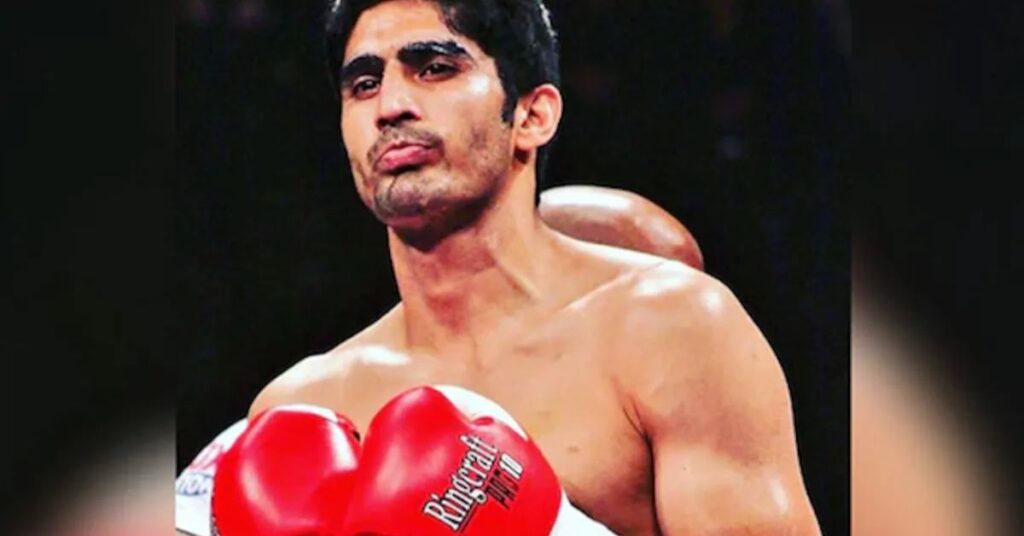

Indian boxing icon Vijender Singh has been appointed to the Asian Boxing Council (ABC), marking a landmark moment not only for his illustrious career but also for Indian boxing’s growing influence on the continental and global stage. The appointment recognises Vijender Singh’s contribution to the sport as an athlete, role model, and ambassador, while signalling Asia’s intent to involve experienced former champions in shaping boxing’s future.
From Olympic glory to professional success and now administrative responsibility, Vijender Singh’s journey reflects the evolution of Indian boxing itself. His inclusion in the Asian Boxing Council is widely seen as a step towards stronger governance, athlete-centric policies, and renewed credibility for boxing administration in Asia.
This blog provides a detailed, SEO-optimised analysis of Vijender Singh’s appointment to the Asian Boxing Council, exploring his career, the role of the council, why this appointment matters, reactions from the boxing community, and what it means for the future of Indian and Asian boxing.
Who Is Vijender Singh? A Pioneer of Indian Boxing
The Boxer Who Changed Indian Boxing Forever
Vijender Singh is widely regarded as the face of Indian boxing’s modern era. Before his rise, boxing remained largely on the fringes of Indian sporting consciousness. Vijender’s achievements transformed public perception and inspired a generation of boxers.
Career Highlights at a Glance
- Bronze medal at the 2008 Beijing Olympics (India’s first Olympic medal in boxing)
- Multiple Commonwealth Games and Asian Games medals
- Successful transition to professional boxing, remaining unbeaten for a long phase
- One of India’s most recognisable combat-sport athletes
His success opened doors for Indian boxers on the international stage.
Vijender Singh’s Olympic Legacy
The 2008 Beijing Olympics remains the defining chapter of Vijender Singh’s sporting life. His bronze medal:
- Ended India’s long wait for an Olympic boxing medal
- Brought boxing into mainstream Indian sports discourse
- Triggered increased funding and attention for the sport
This single achievement altered the trajectory of boxing in India.
From Amateur Glory to Professional Boxing
A Rare and Bold Transition
Vijender Singh’s move from amateur to professional boxing was bold at a time when few Indian boxers attempted it. Competing internationally, he:
- Gained exposure to global boxing ecosystems
- Built credibility beyond Olympic boxing
- Showed Indian athletes could succeed outside traditional structures
His professional journey added to his understanding of boxing from multiple perspectives—athlete, brand, and global sport.
Understanding the Asian Boxing Council (ABC)
What Is the Asian Boxing Council?
The Asian Boxing Council is a key governing and advisory body responsible for:
- Development of boxing across Asian nations
- Coordination between national federations
- Promotion of high-performance pathways
- Strengthening governance and ethical standards
The council plays a vital role in shaping boxing policy and competition structures across Asia.
Why the Asian Boxing Council Matters
Asia has emerged as a powerhouse in global boxing, producing Olympic and professional champions across weight categories. The ABC:
- Provides strategic direction
- Supports grassroots and elite programmes
- Acts as a bridge between global boxing bodies and national federations
Strong leadership within the council directly impacts the sport’s growth.
Vijender Singh’s Appointment: What Does It Mean?
Recognition of Experience and Integrity
Vijender Singh’s appointment reflects:
- Respect for athlete voices
- Recognition of lived competitive experience
- Trust in his understanding of boxing’s challenges
His presence ensures that decisions are informed by those who have competed at the highest level.
India’s Growing Influence in Asian Boxing
This appointment also signals India’s rising stature in Asian boxing governance. Indian athletes and administrators are increasingly being recognised for their contribution to the sport.
It strengthens India’s voice in:
- Policy discussions
- Development strategies
- Continental decision-making
Why Former Athletes in Governance Matter
Athlete-Centric Decision Making
Modern sports governance increasingly values former athletes in leadership roles. They:
- Understand competitive pressures
- Advocate for fair selection and transparency
- Prioritise athlete welfare
Vijender Singh’s inclusion aligns with this global shift.
Bridging the Gap Between Administration and Athletes
One of boxing’s long-standing challenges has been the disconnect between administrators and athletes. Vijender’s appointment helps:
- Improve communication
- Address practical concerns
- Build trust within the boxing community
Reactions From the Indian Boxing Community
Widespread Support and Optimism
Indian boxers, coaches, and fans have welcomed the news. Many believe:
- Vijender brings credibility
- His experience can guide young boxers
- He can act as a strong advocate for Indian interests
The appointment has been viewed as a proud moment for Indian boxing.
Voices From Former Players and Experts
Several former boxers and sports analysts have highlighted:
- Vijender’s calm leadership style
- His understanding of both amateur and professional boxing
- His potential to influence positive change
There is optimism that his role will not be symbolic but impactful.
What Vijender Singh Brings to the Asian Boxing Council
Technical Insight
As a former elite boxer, Vijender offers:
- Deep understanding of technique and training cycles
- Knowledge of international competition standards
- Awareness of what athletes need to succeed
This insight is invaluable at the policy level.
Global Perspective
Having competed internationally in both amateur and professional circuits, Vijender understands:
- Differences in global boxing systems
- Importance of exposure and competition
- Commercial and branding aspects of the sport
This global outlook strengthens the council’s strategic vision.
Impact on Indian Boxing Development
Better Representation at Continental Level
Vijender’s presence ensures Indian boxing concerns are:
- Heard
- Represented
- Addressed constructively
This could lead to improved opportunities for Indian boxers in Asian competitions.
Inspiration for Young Indian Boxers
Seeing a former Indian boxer in a key administrative role:
- Expands career possibilities beyond competition
- Encourages long-term involvement in the sport
- Reinforces the idea of giving back to boxing
Boxing Governance in Asia: A Time of Transition
Asian boxing, like global boxing, has faced challenges:
- Governance disputes
- Administrative instability
- Questions around fairness and transparency
Appointments like Vijender Singh’s indicate a desire for reform and stability.
Challenges Vijender Singh May Face
Navigating Politics and Bureaucracy
Sports administration involves:
- Complex stakeholder interests
- Political sensitivities
- Long decision-making processes
Transitioning from athlete to administrator requires patience and diplomacy.
Balancing National and Continental Interests
While representing Asia, Vijender must:
- Act impartially
- Balance diverse national perspectives
- Focus on the collective growth of the sport
This responsibility demands maturity and fairness.
Comparison With Other Athlete-Administrators
Globally, former athletes have successfully transitioned into governance roles:
- Improving athlete welfare
- Reforming systems
- Enhancing credibility
Vijender’s appointment fits into this successful pattern.
What This Means for Asian Boxing’s Future
Stronger Athlete Welfare Policies
With athlete voices at the table, future policies may focus more on:
- Injury management
- Fair selection processes
- Career transition support
This could improve boxing’s long-term sustainability.
Focus on Grassroots Development
Asia’s strength lies in its depth. Strategic leadership can:
- Strengthen junior programmes
- Improve coaching education
- Create structured pathways
Vijender’s understanding of grassroots challenges will be crucial.
Symbolism of the Appointment
Beyond administration, the appointment carries symbolic weight:
- Recognition of India’s sporting progress
- Validation of athlete leadership
- A shift towards credibility-based governance
It sends a positive message to athletes across Asia.
Media and Fan Response
Social media reactions have been overwhelmingly positive, with fans praising:
- Vijender’s journey
- His contribution to Indian sport
- The significance of the appointment
Many see it as a natural progression for a pioneer of Indian boxing.
Long-Term Possibilities
Vijender Singh’s appointment could open doors for:
- Greater Indian involvement in global boxing bodies
- More athlete-led governance models
- Collaborative initiatives across Asia
This may just be the beginning of a larger role in international boxing.
Vijender Singh: Beyond Medals and Titles
This new chapter highlights Vijender’s evolution:
- From athlete to ambassador
- From competitor to policymaker
- From national hero to continental leader
It underscores the importance of legacy beyond the ring.
Lessons for Indian Sports Administration
The appointment offers key lessons:
- Value athlete experience
- Invest in leadership development
- Encourage post-retirement pathways
Such approaches strengthen sports ecosystems.
What Success Would Look Like
Success in Vijender’s role could be measured by:
- Improved transparency
- Better athlete engagement
- Stronger Asian boxing structures
Impact, not position, will define his tenure.
Final Thoughts
India boxing great Vijender Singh’s appointment to the Asian Boxing Council is a milestone moment for both Indian and Asian boxing. It recognises a career built on courage, consistency, and credibility, while opening a new chapter focused on leadership and development.
As boxing navigates a complex global landscape, voices like Vijender Singh’s—rooted in experience and integrity—are essential. His journey from Olympic podiums to the corridors of governance reflects the sport’s evolution and India’s growing influence within it.
For young boxers, fans, and administrators alike, this appointment is a reminder that true champions don’t just win medals—they shape the future of the sport they love.